It’s spring/summer, and the bulbs are popping up their heads everywhere. The sun is peeking out, and it feels like brighter times are on the way. For many of us, it is a time for shaking off the winter slumbers and getting outside. But what if you had a lifelong disability and needed a wheelchair for support to make it out the door?
Best estimates of the incidence of Functional Neurological Disorder (FND) in the UK are there are 50-100,000 people living with the condition. The NHS Scotland Centre for Sustainable Development, in its Functional Neurological Disorder National Pathway for Scotland, estimated 10,000 people living with FND within the borders of Scotland in May 2024. Clinicians now estimate this is around 12,000 currently (Professor Stone, FND Glasgow meeting held on 13 February 2026), although no official figures exist in 2026.
The National Neurosciences Advisory group (NNAG) Optimal clinical pathway for adults: Functional Neurological Disorder published in 2023 quotes that FND is at least as common as multiple sclerosis (MS). Currently, MS patients are numbering approximately over 150,000 in the UK, but the pathway declines to speculate or confirm the actual number of those living with FND in the population. If we go by this theory, then the current numbers of those affected by FND are severely underestimated.
On March 25 2026, I joined other trustees and volunteers of FND Dimensions, the UK-registered charity for FND, whose members live daily with functional neurological disorder themselves or are our supporters and allies. We reflected on the year since we last all came together. FND Dimensions came together with FND Action and FND Hope UK and planned the first UK awareness day in 2017.
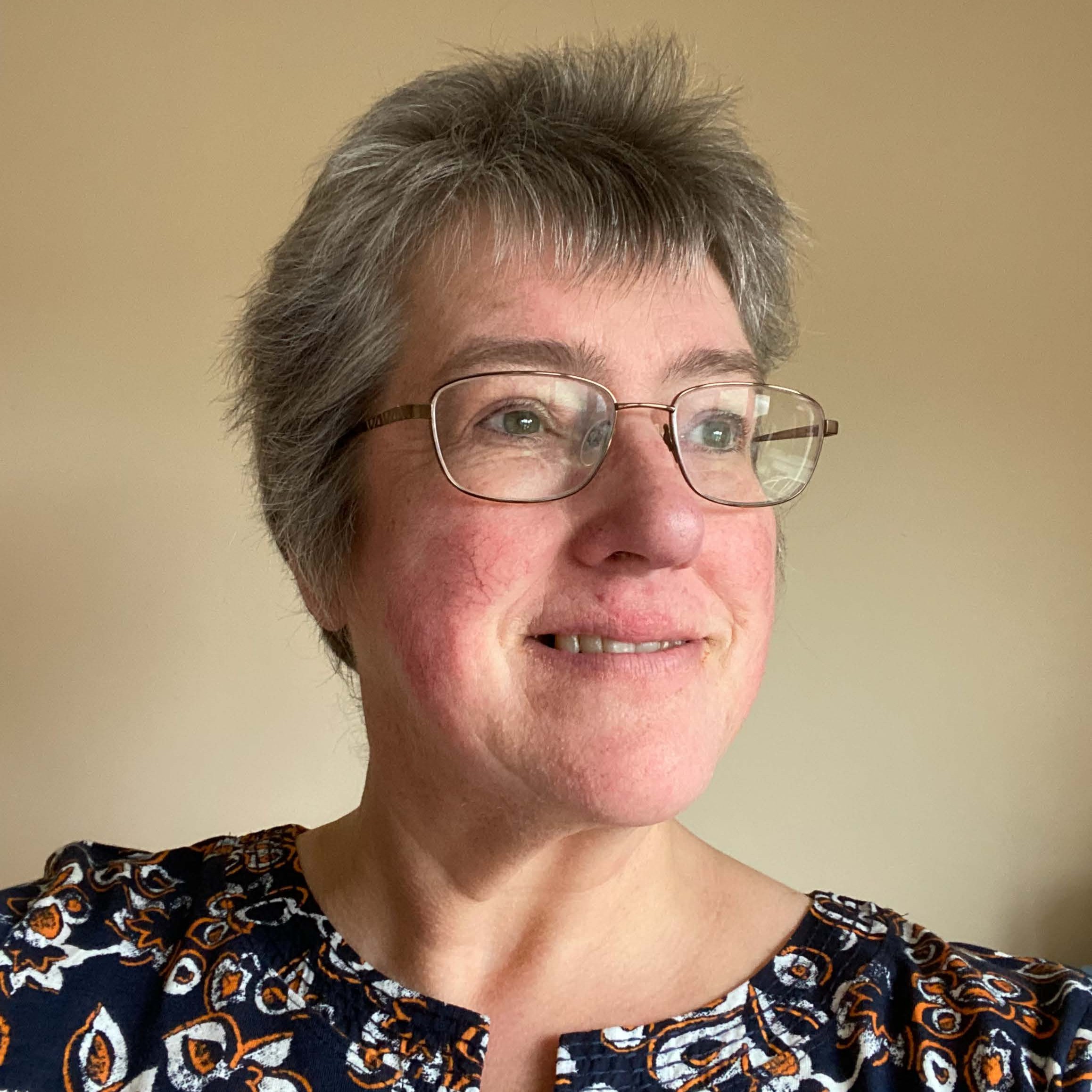
By Hazel Gueldner, hospital pharmacist and Honorary Secretary of the PDA Ability Network
The PDA Ability network endorses the social model of disability and has a mission to enable all disabled pharmacists to realise their full potential and raise their profile by being educationally, socially and politically active. Membership of the network is open to those with any physical or mental health condition, those who are neurodivergent, and allies.
Get involved
- Follow the PDA Ability Network on social media using the hashtag #PDAability
- For more information about the PDA Ability Network, click here.
- Join the PDA Ability Network here.
Learn more
- Functional Neurological Disorder National Pathway
- Optimum clinical pathway for adults: Functional Neurological Disorder
Not yet a PDA member?
If you have not yet joined the PDA, we encourage you to join today and ask your colleagues to do the same.
Membership is FREE to pharmacy students, trainee pharmacists and for the first three months of being newly qualified.
Read about our key member benefits here.